Knowledge base
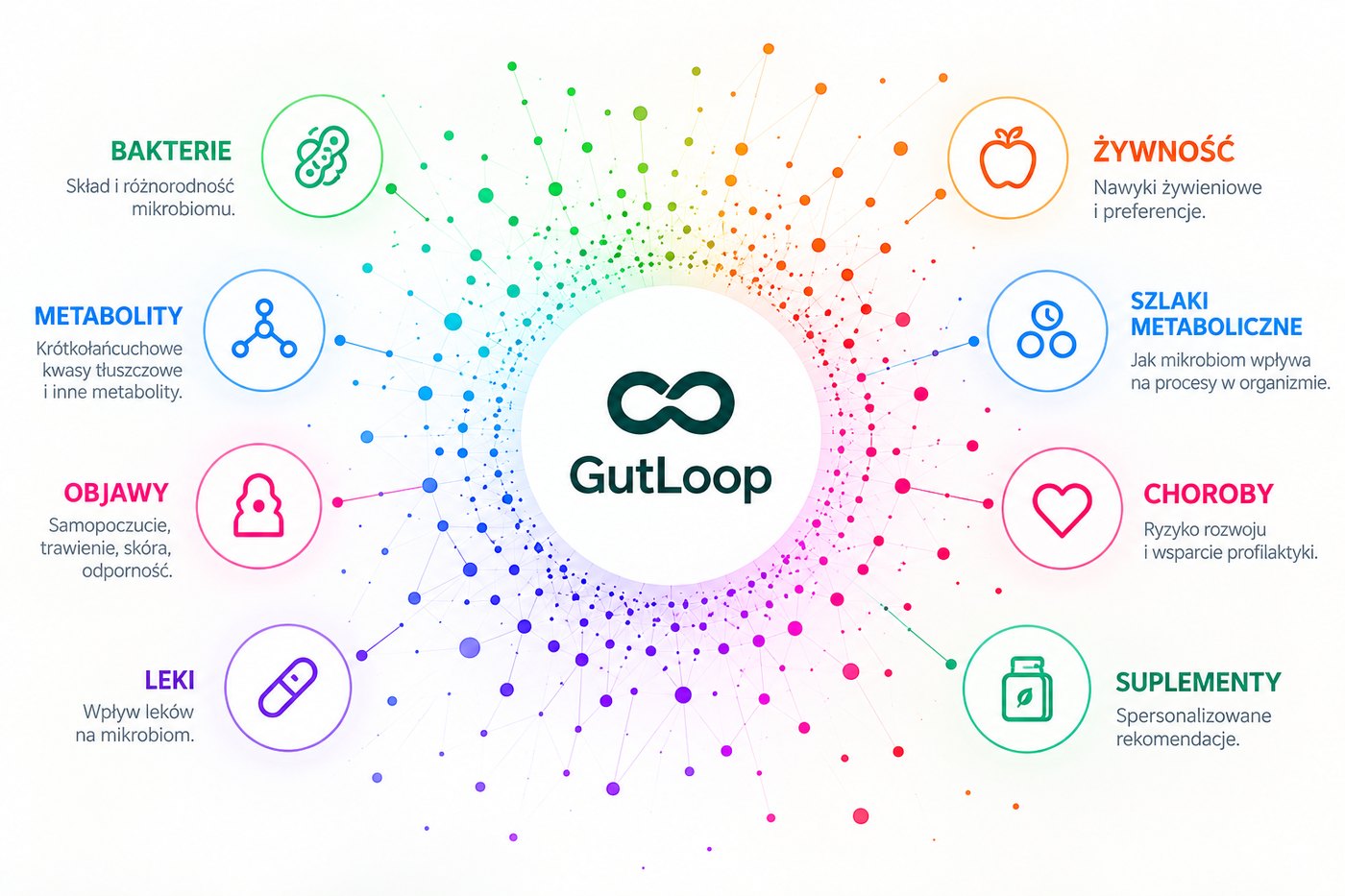
Get to know the microbiome. Understand your biology. Make more informed decisions. A place you can enter with a specific problem or just out of curiosity — articles, learning materials, videos and the science behind it, written to say what we know and, honestly, what we don’t yet.
Start where your question begins.
Microbiome
Microbiota basics, bacteria, diversity, metabolites, SCFA.
6 heroes · articles coming soon
Diet and the microbiome
Food, fibre, fermentation, products supporting different microbiome functions.
articles coming soon
Health and the microbiome
The problems people bring to GutLoop: weight, digestion, energy, immunity, mood, skin, endometriosis, metabolism, sleep, antibiotics, IBS, prevention.
12 articles · 1 ready
Results and interpretation
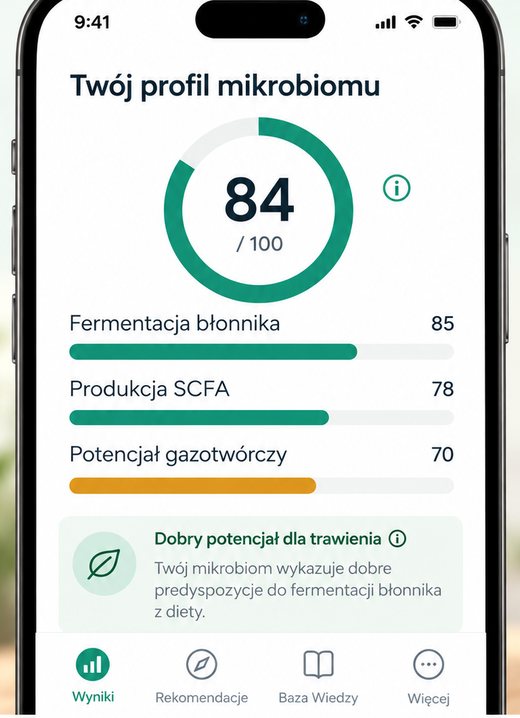
How to read the GutLoop report, what diversity is, what the indicators mean.
articles coming soon
What brings you to GutLoop?
Every topic from the homepage carousel has its article here. We talk about associations and areas to support — not about treatment.
- All (12)
- Digestion and gut
- Weight and metabolism
- Energy, sleep, mood
- Immunity and skin
- Women’s health
Microbiome and body weight — what do we really know?
You eat well, exercise, try one diet after another, and yet the scales don’t move or the weight comes back after a few months? Body weight does not depend only on how much you eat and exercise.
8 min read
Microbiome and digestion — where do bloating, gas and constipation come from?
Bloating after meals? Gas? Constipation or diarrhoea? Digestive problems are among the most common gut complaints, and they can have many causes.
12 min read · coming soon
Constant tiredness — what might the microbiome have to do with energy?
You sleep enough, eat reasonably well, and still struggle to get going in the morning? Tiredness can have many causes — and there is no single “low energy test”.
9 min read · coming soon
Microbiome and immunity — what happens in the gut?
The gut is one of the most important points of contact between the body and the outside world. The microbiome and the immune system do not work independently — they communicate constantly.
10 min read · coming soon
Gut and brain — can the microbiome affect how you feel?
Do you notice that when you are stressed your stomach plays up? Or the other way round — gut problems affect your mood? It may not be a coincidence.
11 min read · coming soon
Gut microbiome and skin — what is the gut–skin axis?
Acne, redness, dry skin or recurring skin problems? Skin care is not only about what you put on your face.
10 min read · coming soon
Endometriosis and the microbiome — what we know and what we don’t yet
Endometriosis is a chronic oestrogen-dependent disease whose mechanisms are still not fully understood. A growing number of studies also look at the gut microbiome and its possible link.
9 min read · coming soon
Microbiome and metabolism — what do bacteria and blood sugar have in common?
Why does one person feel great after the same meal while another’s glucose shoots up? The body’s response to food is highly individual.
11 min read · coming soon
Can the microbiome influence sleep?
You sleep long enough and still feel tired in the morning? More and more research points to a complex relationship between sleep, circadian rhythm and the gut microbiome.
9 min read · coming soon
What happens to the microbiome after antibiotic treatment?
An antibiotic acts on the bacteria causing an infection. But its effect is not always limited to them — treatment can temporarily change the composition, diversity and function of the microbiome.
10 min read · coming soon
IBS and the microbiome — do bacteria matter?
Bloating. Abdominal pain. Gas. Diarrhoea or constipation. Irritable bowel syndrome is a common gut disorder whose mechanism cannot be reduced to a single cause.
12 min read · coming soon
Know your biology — why observe your microbiome?
Why test your microbiome if nothing is wrong? It is a bit like getting to know your body before a specific problem appears.
7 min read · coming soon
Didn’t find your topic?
The Knowledge Base will keep growing. Tell us what you want to read about — or start by getting to know your own microbiome.
Meet the heroes of the microbiome.
Six groups of bacteria that appear most often in your report. The persona is a communication layer — the taxon and the biology are always real.
Guardian
Supports the gut environment and is linked to the production of beneficial metabolites.

Gardener
Associated with the gut mucus layer and metabolic processes.

Chef
Takes part in using dietary components and producing metabolites.

Mason
Takes part in fibre fermentation and the production of short-chain fatty acids.

Bodyguard
Different Lactobacillus species have different properties and may help maintain the gut environment.
Miller
Breaks down complex dietary components, including polysaccharides.
Watch instead of reading.
Short how-to and educational videos — from collecting a sample to reading the report. Titles and durations to be confirmed.
How to collect a sample at home?
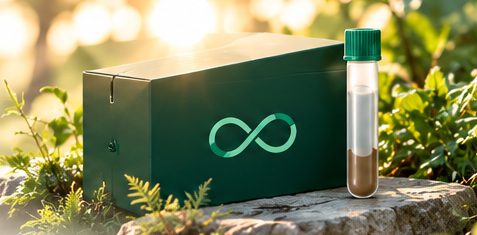
Step by step: the kit, collection, securing and shipping. About 10 minutes.
What is 16S rRNA sequencing?
How a picture of your microbiome emerges from bacterial DNA — and what the method does not show.
How to read the GutLoop report?
Diversity, selected groups of bacteria, areas to support — without “good / bad” labels.
Discover the world living inside you
Trillions of inhabitants, one ecosystem. The film that opens the story of the microbiome.
How do we know what we write?
Every article in the Knowledge Base is based on research reviews and guidelines (incl. WHO) and checked against what science actually confirms. We don’t write that the microbiome “cures” — we write about observed associations and what still needs research.
bacterial DNA sequencing — our method
knowledge nodes in GUT·DIET·MAP
biological connections
GutLoop methodology: from sample to report
How we collect, sequence and interpret — and what the limits of the 16S method are.
Coming soon
GUT·DIET·MAP: a knowledge graph linking microbiome, diet and health
A description of the sources, structure and update process of the map of biological relationships.
Coming soon
The sources our articles rely on
WHO healthy-diet guidelines, research reviews on the microbiome and body weight, the PREDICT study (postprandial responses).
How to read the GutLoop report?
What diversity means, what “lower / typical / higher abundance” is and why we don’t label bacteria as good or bad.
Coming soon
How does GutLoop tailor recommendations?
GUT·DIET·MAP, data about you and your goals, the role of the AI Dietitian — and where personalisation ends and a conversation with a specialist begins.
Coming soon
Fibre, fermentation, plant diversity
Which foods support different microbiome functions, what WHO says about 25 g of fibre a day and why there is no single “microbiome diet”.
Coming soon
Don’t guess. Check.
The Knowledge Base is the first step. If you want to see how it looks for you, a microbiome test will show your own profile — and the app will help turn it into everyday decisions. Tested in Poland, 16S rRNA sequencing, data processed under GDPR.